
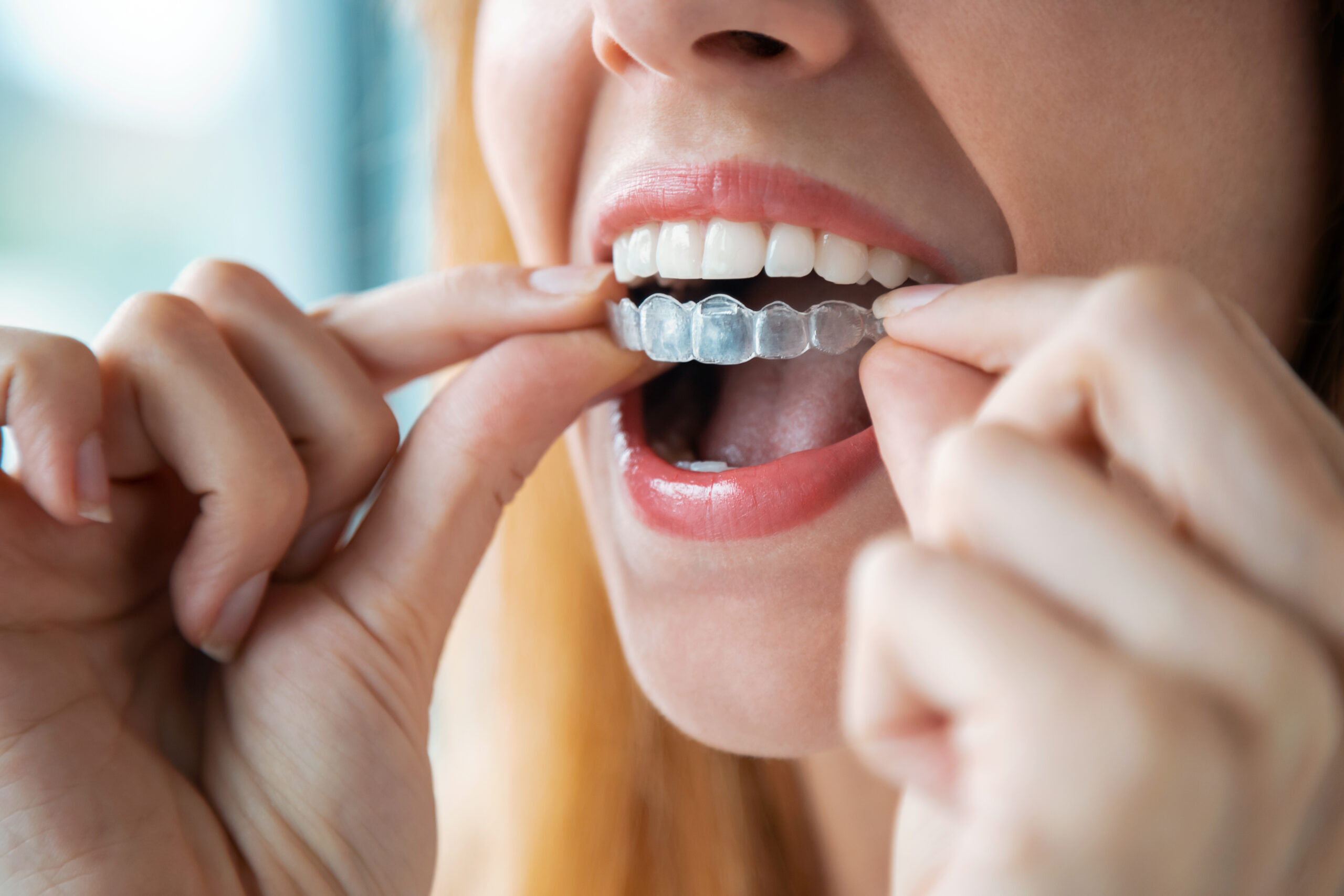
What makes clear aligner treatment different here comes down to who steers the plan. Dr. Ray, Dr. Novak and Dr. Swenson design every tooth movement themselves, then track your progress in person. You get orthodontist-led care and digital scans instead of goopy putty.

What Is Clear Aligner Treatment?
Clear aligner treatment uses a series of custom, removable trays that shift your teeth in small, planned stages. You wear each set 20 to 22 hours a day, then swap to the next tray on a schedule your orthodontist sets. The trays are nearly invisible and come off for meals.
Clear aligners are the invisible heroes that quietly straighten your smile. The trays do the pushing, but the plan does the thinking.
Here’s what that means in practice:
- An orthodontist runs the show. At Ray + Swenson Orthodontics, Dr. Ray, Dr. Novak and Dr. Swenson decide which teeth move, in what order, and how far. According to the American Association of Orthodontists, moving teeth is a medical process that belongs under the care of a trained orthodontic specialist.
- We start with digital scans. A small wand maps your teeth in minutes. No trays full of putty, no gagging, no waiting.
- Aligners handle more than you’d think. Crowding, gaps, spacing, and many bite issues respond well to tray-based treatment.
- You stay in the loop. Digital photos and X-rays give us a full picture before we commit to anything.
How Clear Aligner Treatment Works Step by Step
Clear aligner treatment follows five steps: a free initial exam, a digital scan of your teeth, a doctor-designed movement plan, a set of trays worn in order and changed every one to two weeks, and progress checks followed by retainers. Most cases finish in 6 to 24 months.
- Free initial exam. We look at your teeth, bite, and goals to confirm aligners are the right call. If braces would work better, we’ll tell you straight.
- Digital scan. Your teeth become a 3D model in minutes, and no impression trays are involved. Families tell us the scan is easy and goop-free, with nothing to bite down on.
- Doctor-designed plan. Dr. Ray, Dr. Novak and Dr. Swenson sequence each movement and build your tray series. You can preview where your smile is headed before you start.
- Wear your trays in order. Each set goes in for 20 to 22 hours a day, then you move to the next one every one to two weeks as directed. Take them out to eat, brush, and floss.
- Progress checks, then retainers. We watch how your teeth track and adjust when needed. A retainer holds your finished smile in place.
Treatment length depends on how far your teeth need to travel. Simple spacing fixes wrap up fast. Bigger corrections take longer, and that’s normal.
Our offices keep visits short and on schedule, so nothing eats up your whole afternoon. In & out in style.
Benefits of Doctor-Directed Clear Aligners
The main benefits of clear aligners include near-invisibility, removability for meals and sports, easier brushing and flossing, fewer emergency visits than fixed appliances, and a digital preview of your finished smile before the first tray goes in. Doctor-directed planning adds in-person oversight, so any tooth that drifts off schedule gets caught early.
Aligners appeal to teens and adults for the same reason: they fit into real life. You won’t have to pause your day to get a better smile.
- Nearly invisible. Classroom presentations, job interviews, wedding photos. Most people never notice you’re in treatment.
- They come out. Eat what you want. Brush and floss like normal. Pop them out for basketball, band, or a big date.
- No wire adjustments. Fewer surprise repairs and fewer emergency visits than fixed appliances.
- You see the plan first. Digital planning shows the projected outcome before your first tray goes in.
- In-office oversight. When a tooth lags behind the plan, we catch it early and correct course. Mail-order trays can’t do that.
- Smooth and comfortable. The edges are polished and the pressure is gradual, not sudden.
A great smile isn’t just about looking good, it’s about feeling good, too. Straight teeth are also easier to clean, which means fewer dental issues down the road.
Think of clear aligners fitting into your day like your favorite pair of sneakers. Easy, comfortable, and ready to go wherever you do.
Clear Aligners vs. Metal and Clear Braces
All three options live under one roof here, so the choice is about your teeth and your habits, not about what we happen to stock.
| Clear Aligners | Metal Braces | Clear Braces | |
|---|---|---|---|
| Visibility | Nearly invisible | Visible, fun with colored elastics | Blends in, tooth-colored |
| Removable? | Yes | No | No |
| Diet limits | None (trays come out) | Skip sticky and hard foods | Skip sticky and hard foods |
| Cleaning | Brush and floss as usual | Brush around brackets and wires | Brush around brackets and wires |
| Office visits | Periodic progress checks | Regular adjustment visits | Regular adjustment visits |
| Best for | Mild to moderate crowding, spacing, relapse | Complex bites, big rotations, growing kids | Older teens and adults who want to keep it on the down-low |
Metal means business! Our metal braces are sturdy and hold up under pressure. For tricky bites and stubborn rotations, they get smiles done efficiently, and you never have to remember to put them back in.
Clear braces are like the cool cousin of metal braces. They work just as hard but stay much sneakier about it. Since they’re bonded to your teeth, they work around the clock.
Clear aligners perform just as well as braces for many cases, with one caveat: they only work while they’re in your mouth. Wear time is the whole ballgame. Kids and adults who can commit to 20 to 22 hours a day do great.
Not sure which fits? That’s what the free initial exam is for. If you want a deeper side-by-side, we broke it all down in Metal Braces vs. Clear Braces: Which Is Right for You?
Are You a Candidate for Clear Aligners?
Most people with mild to moderate crowding or spacing are good candidates for clear aligners. Teens and adults who can wear trays 20 to 22 hours a day tend to finish with the best smiles. An exam and digital scan confirm whether aligners fit your case.
Strong candidates usually have:
- Mild to moderate crowding
- Gaps or spacing they want closed
- Teeth that shifted back after braces years ago (relapse)
- Healthy teeth and gums, with cavities treated first
- The discipline to keep trays in and not lose them
Braces may be the better starting point when:
- The bite is significantly off, front to back or side to side
- Teeth need major rotation
- A younger kiddo is still growing and needs guidance from a fixed appliance
- Consistent wear time would be a stretch
There’s no wrong answer here. Braces remain a great alternative, and they’ve helped millions of smiles. Dr. Ray, Dr. Novak and Dr. Swenson will lay out both paths, then let you pick.
Did you know the best time to check how your child’s teeth are growing is by age seven? That’s what the tooth experts at the American Association of Orthodontists recommend, and an early look often widens your options later.
Why Clear Aligner Treatment Is Different at Ray + Swenson Orthodontics
We’re your smile neighbors, not a chain. A small business makes a big difference in how your care actually feels.
- Three orthodontic specialists. Dr. Alison Ray, Dr. Karl Swenson, and Dr. Brady Novak each focus on orthodontics, which means braces and aligners all day, every day. That specialty training is what separates a doctor-directed plan from a mail-order tray kit.
- Digital from the start. Digital scans, digital X-rays, and digital photos build your plan, so there’s no guesswork and no putty.
- Families are #1. We plan around your schedule and your carpool line.
- Community roots. Giving back is part of how a small business makes a big difference, and our team looks for ways to support causes families here care about.
- Real feedback. Reviews from families and a Before & Afters gallery let you see beautiful smiles from folks right here in the area.
You never outgrow a beautiful smile. Book a free initial exam with your friendly orthodontic experts and we’ll scan your teeth and walk you through your options before you decide anything.
Our offices welcome families from across the area, and every plan starts with the same honest look at your teeth. Come meet Dr. Ray, Dr. Novak and Dr. Swenson, then show your new smile to the whole world.
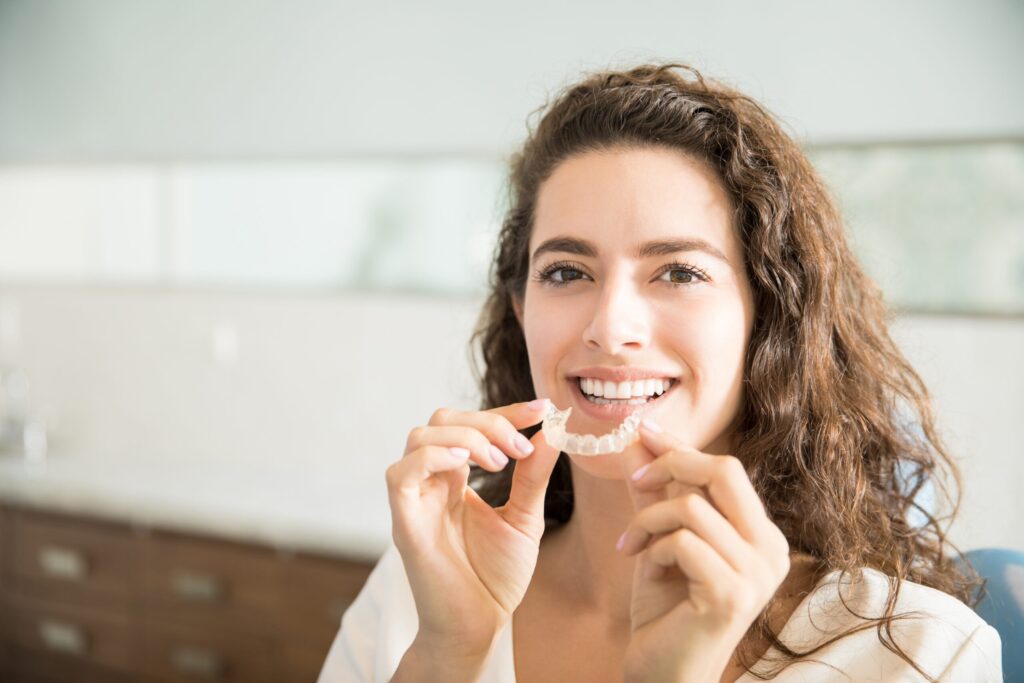
Clear Aligner FAQs
How long does clear aligner treatment take?
Most clear aligner cases finish in 6 to 24 months. Small spacing or crowding fixes land on the shorter end, while bigger bite corrections take longer. Your wear time also affects the timeline, since teeth only move while the trays are in.
Do clear aligners hurt?
Expect mild pressure or tenderness for a day or two after switching to a new tray. That feeling means your teeth are moving. Most families describe it as snug rather than sore, and it fades quickly as the tray settles in.
How many hours a day do I wear aligners?
Plan on 20 to 22 hours a day, every day. Take them out for meals, drinks other than water, brushing, and flossing. Consistent wear keeps your teeth on the schedule Dr. Ray, Dr. Novak and Dr. Swenson designed for you.
Can teens use clear aligners?
Yes. Teens do well with aligners when they’re ready to keep trays in and store them safely. Many teen sets include small wear indicators so we can confirm the trays are getting the hours they need. If wear time looks shaky, braces are a solid backup.
What happens if I lose an aligner?
Call us right away. Depending on where you are in the series, we may have you move to the next tray or go back to the previous one while a replacement is ordered. Don’t skip ahead on your own, and hang onto your last tray as a spare.
Will I need a retainer afterward?
Yes, retainers are part of every finished case. Teeth naturally drift over time, and a retainer holds your new alignment in place. Wear it as directed, and your beautiful smile stays put for the long haul.